

Call us now
08071931737
Call us now
08071931737
Application area in refrigeration and air-conditioning technology
As a result of its excellent resistance to the main refrigerants, the model AC-1 pressure transmitter with integrated ceramic thick-film sensor is ideal for use in refrigeration and air-conditioning systems.
Excellent reliability and quality
The model AC-1 combines innovative design and the highest quality standards. The instrument has successfully passed a test process, specifically matched to the harsh demands of the refrigeration and air-conditioning market.
Attractive price/performance ratio
The model AC-1's very flexible product and production concept offers high availability, even in large quantities, at an attractive price-performance ratio.
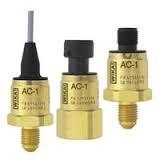

Price:

Minimum Order Quantity : 25
Mounting Type : Threaded connection
Frequency : 50/60 Hz
Pressure Type : Gauge / Absolute
Measuring Range : 010 bar (standard), other ranges available
Features : High reliability, rapid response, compact design, maintenancefree
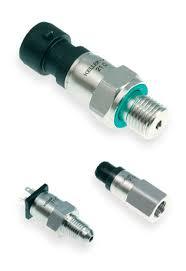
Minimum Order Quantity : 25
Mounting Type : Panel Mount / Field Mount
Frequency : 50/60 Hz
Pressure Type : Gauge / Absolute / Differential
Measuring Range : 01 bar to 0400 bar
Features : Digital Output, Backlit LCD, High Accuracy, Robust Design, Easy Installation
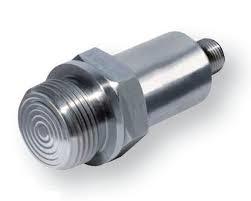
Minimum Order Quantity : 25
Mounting Type : Threaded or Clamp
Frequency : DC
Pressure Type : Gauge and Absolute
Measuring Range : 0 to 10 bar (customizable)
Features : NonClogging Diaphragm, CorrosionResistant, High Stability
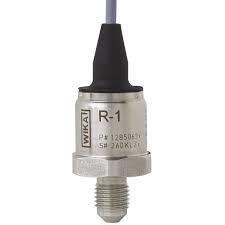
Minimum Order Quantity : 25
Mounting Type : Direct mounting
Frequency : DC
Pressure Type : Gauge / Absolute
Measuring Range : 0600 bar (customizable)
Features : High overload protection, compact design, high stability


 Send Inquiry

 Send Inquiry
 Send Inquiry
 Send SMS