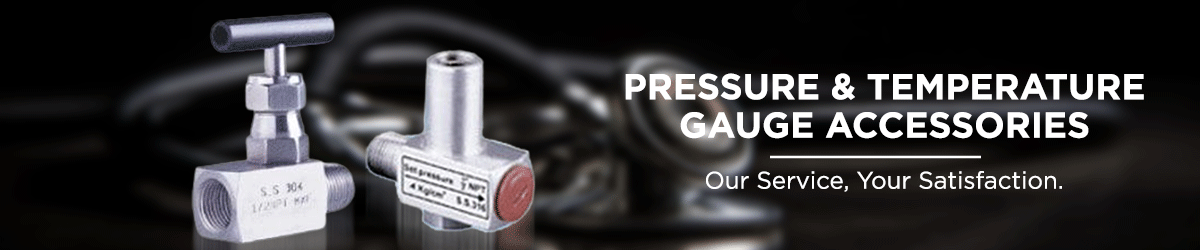
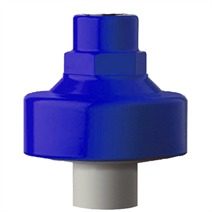
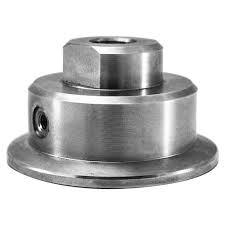
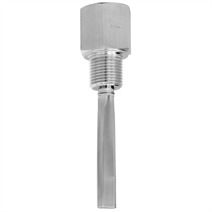
About Threaded Process Diaphragm Seals
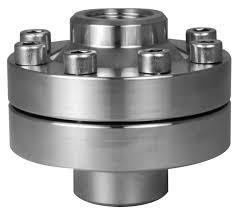
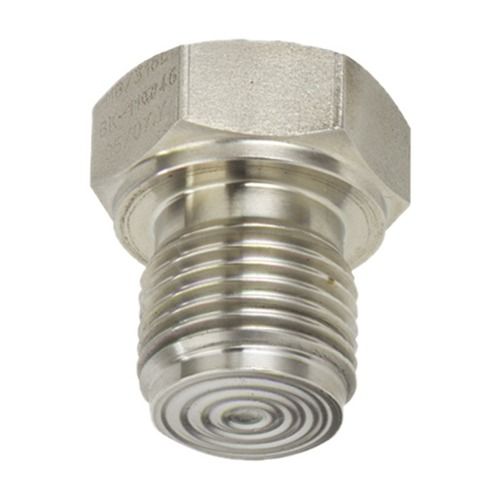
Threaded Process Connection
Applications
- Process instrumentation in chemical plants
- Plating industry
- Waste water treatment
- Fertiliser industry
Special Features
- All-plastic design
- Metal-free
- Process connection with thread for direct mounting, but also suitable for bonding (PVC-U) or welding (PP, PVDF)
Versatile Sizing and ConnectionsOur diaphragm seals are available in standard 1/2" to 2" BSP/NPT sizes, with custom options to fit unique requirements. Mounting is simple with threaded male or female types, while process connections such as BSP, NPT, or flanged ensure adaptability to different installations and process lines.
Durable Materials and FinishesUsing robust materials like Stainless Steel (SS316, SS316L), Hastelloy, and Monel, these seals guarantee excellent resistance to corrosion and chemicals. Optional mirror or matt surface finishes and tailored hardness enhance compatibility with diverse industrial environments and requirements.
Reliable Performance and ComplianceRated for pressures up to 600 bar and temperature ranges from -40C to +250C, our diaphragm seals meet international standards including DIN, ANSI, and IS. The precise tolerance (0.05 mm) and filling fluids such as glycerine, silicone oil, or halocarbon offer accurate sealing in critical process applications.
FAQs of Threaded Process Diaphragm Seals:
Q: How do threaded process diaphragm seals benefit industrial pressure measurement applications?
A: Threaded process diaphragm seals provide robust protection for gauges, transmitters, and switches by isolating them from corrosive fluids and harsh conditions. This enhances instrument longevity, ensures reliable readings, and maintains system integrity even under high pressure or temperature.
Q: What types of mounting connections are available for these diaphragm seals?
A: The seals are engineered with threaded male or female connections in BSP and NPT sizes. Flanged process connections are also available on request, catering to a variety of installation needs in industrial pipelines or equipment.
Q: When should I choose welded versus clamped diaphragm types?
A: Welded diaphragms offer superior leak-proof performance for high-pressure or critical media, while clamped types facilitate easier maintenance and replacement. The choice largely depends on the applications pressure, medium, and servicing requirements.
Q: Where can these diaphragm seals be installed?
A: Threaded process diaphragm seals can be mounted on pressure gauges, transmitters, and switches in process lines across chemical, petrochemical, pharmaceutical, and other fluid handling industries requiring corrosion resistance and high accuracy.
Q: What filling fluids are used and how do I select the right one for my process?
A: Filling fluids like glycerine, silicone oil, and halocarbon are available based on process media compatibility and temperature range. Selection depends on the chemical nature of the process fluid and operating temperatures to ensure optimal instrument performance.
Q: How accurate and reliable are these seals for high-pressure operations?
A: Designed for pressures up to 600 bar, with diaphragm thickness controlled to 0.100.15 mm and tolerance of 0.05 mm, these seals deliver high accuracy and consistent sealing performance, effectively preventing leaks in demanding industrial processes.





 Send Inquiry

 Send Inquiry
 Send Inquiry
 Send SMS